Hospice Care

How You Can Make a Difference Through Hospice Volunteering

April 1, 2026

How You Can Make a Difference Through Hospice Volunteering

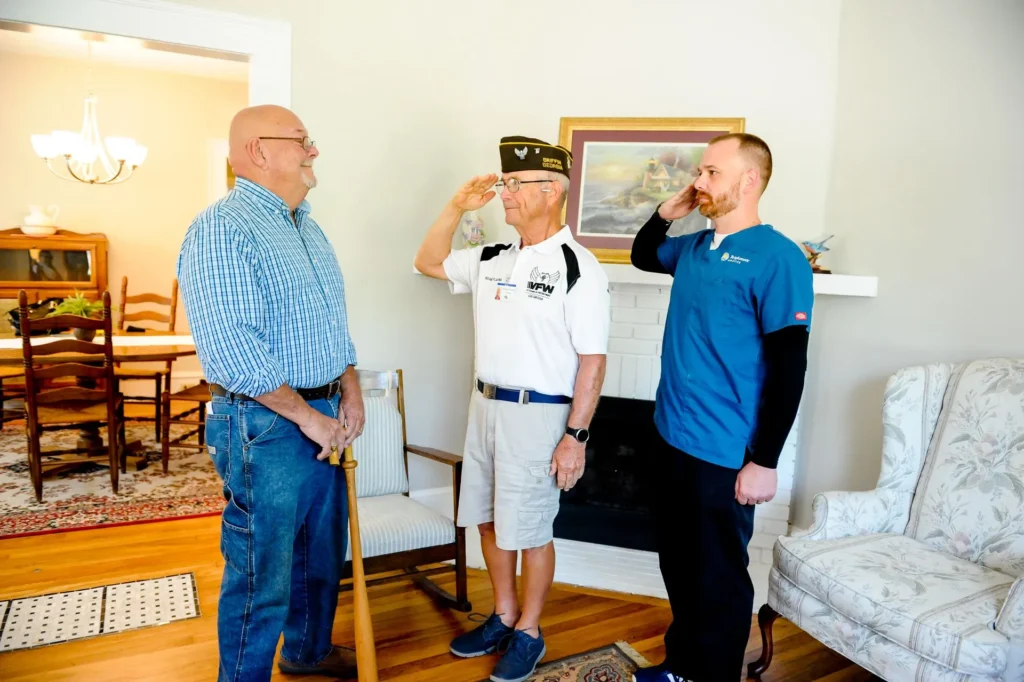
At Brightmoor Hospice, we believe that compassion has the power to transform even the most difficult moments into meaningful ones. Every day, our team works to bring comfort, dignity, and peace to patients and their families—but we could not do it without the incredible support of our volunteers.

If you’ve ever wondered how you can truly make a difference in someone’s life, hospice volunteering is one of the most impactful ways to give back.

What Does a Hospice Volunteer Do? 

Hospice volunteers play a vital role in supporting patients, families, and care teams. While responsibilities vary, every role shares a common purpose: providing comfort and connection.

Some of the ways volunteers make a difference include:

  • Sitting with patients and offering companionship
  • Reading, talking, or simply being present
  • Providing respite for caregivers who need a short break
  • Assisting with office or administrative tasks
  • Supporting special programs and patient-centered experiences
  • You don’t need a medical background—just a compassionate heart and a willingness to serve.

The Power of Presence:

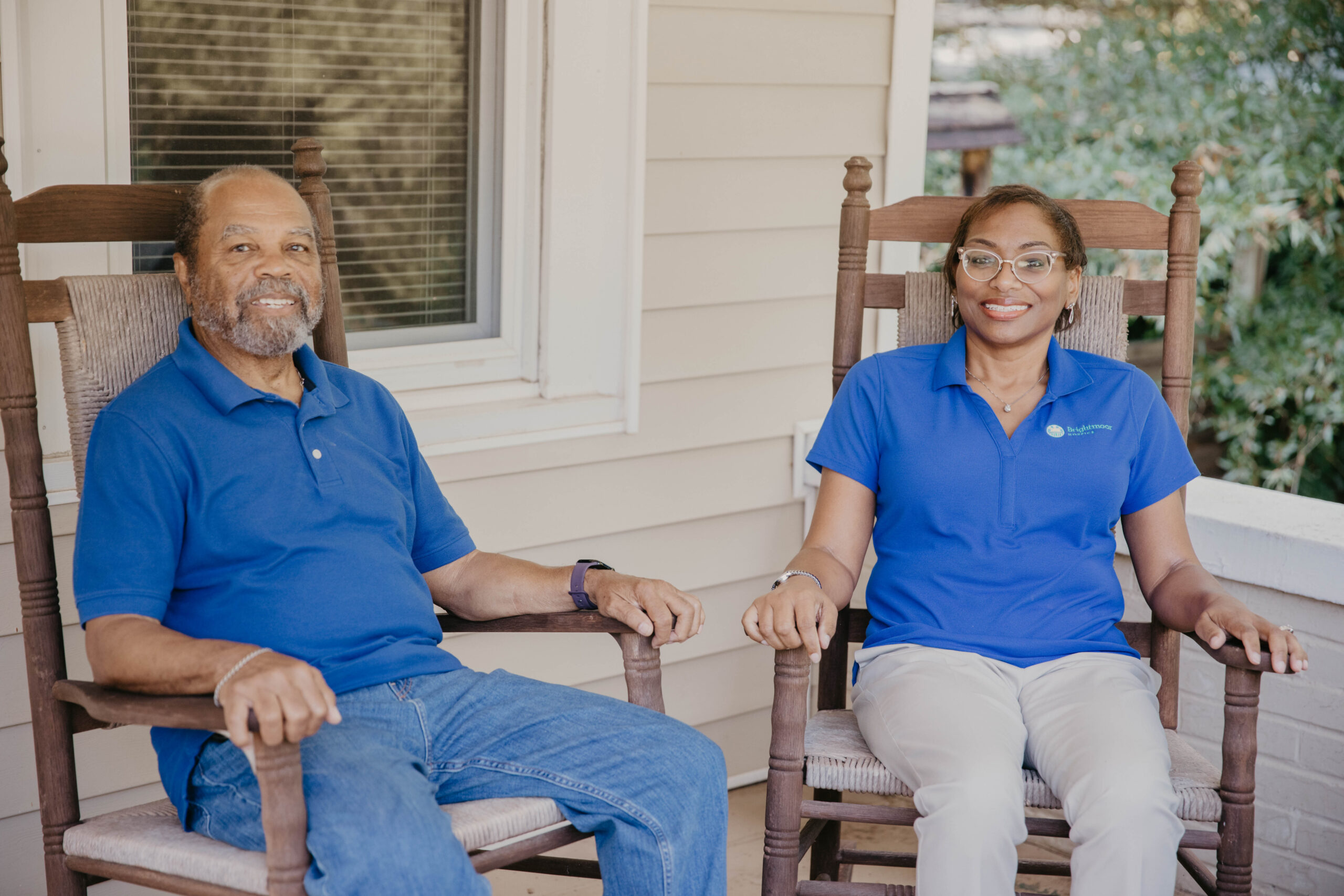
One of the most meaningful gifts you can offer is your presence. For patients facing the end of life, loneliness can be one of the greatest challenges. A volunteer’s visit—whether it’s sharing a conversation, holding a hand, or listening to a life story—can bring comfort in ways that words often cannot.

For families, knowing that someone is there to support their loved one provides reassurance and relief during an emotional time.

Supporting Caregivers and Families:

Caregivers give so much of themselves, often balancing emotional, physical, and mental demands. Hospice volunteers help ease that burden by offering companionship to patients, allowing caregivers time to rest, run errands, or simply recharge. Even a short visit can make a lasting difference—not just for the patient, but for the entire family.

A Meaningful Way to Give Back:

Volunteering with Brightmoor Hospice is more than an act of service—it’s a deeply rewarding experience. Many of our volunteers share that they gain as much as they give. They form meaningful connections, hear incredible life stories, and walk away with a renewed perspective on what truly matters. Whether you’re a student, retiree, working professional, or simply someone with a heart for helping others, there’s a place for you here.

Flexible Opportunities to Fit Your Life:

We understand that life is busy. That’s why we offer flexible volunteer opportunities to fit your schedule and comfort level. Whether you prefer direct patient interaction or behind-the-scenes support, your time and talents are valued. Training and guidance are provided, so you’ll feel confident and supported every step of the way.

Ready to Make a Difference?

When you volunteer with Brightmoor Hospice, you become part of something bigger—you become a source of comfort, connection, and compassion during life’s most meaningful moments. If you’re ready to make a difference, we invite you to join our volunteer family. Together, we can bring light, hope, and dignity to those who need it most.

To learn more about volunteering with Brightmoor Hospice or to get started, contact our team today!
KEEP READING

More articles you may find helpful.

HERE TO HELP

Have questions about your care options?

Whether you’re exploring nursing care, rehabilitation, hospice, or senior living, the Brightmoor team is here to help you find the information you need.

UNDERSTANDING HOSPICE ELIGIBILITY

Hospice support for different illnesses.

Learn how different illnesses may affect care needs and when hospice support may be appropriate.

Who qualifies for hospice care?

Hospice may be appropriate for individuals with a life-limiting illness and a life expectancy of six months or less if the illness follows its expected course. Eligibility is determined through a clinical evaluation.

Select a condition below to learn more.

As ALS progresses, breathing, swallowing, and moving may become more difficult. Hospice can help manage discomfort and support patients and families as care needs increase.

In the advanced stages of dementia, your loved one may need help with nearly every part of daily life. Difficulty communicating, trouble swallowing, weight loss, and repeated infections may be reasons to ask about hospice.

When cancer advances and treatment is no longer helping, or a person chooses to focus on comfort, hospice may offer an added layer of support. Care focuses on managing pain and other symptoms while supporting emotional and practical needs.

When breathing becomes difficult even while resting or doing simple activities, daily life can feel overwhelming. Hospice can help ease symptoms and provide reassurance for patients and caregivers.

Advanced heart disease can cause shortness of breath, swelling, weakness, and discomfort that make everyday activities harder. Hospice offers support when symptoms persist and care needs continue to grow.

For someone living with advanced HIV or AIDS, repeated infections, weight loss, and increasing weakness may lead to greater care needs. Hospice focuses on comfort and compassionate support for the person and those who care for them.

When kidney disease becomes advanced, patients and families may face difficult decisions about dialysis and ongoing care. Hospice may be an option for those who choose not to begin dialysis or decide to stop, depending on their overall health and needs.

Advanced liver disease may cause fluid buildup, confusion, discomfort, and repeated hospital stays. Hospice can help manage symptoms and support families as the illness progresses.

Conditions such as Parkinson’s disease, multiple sclerosis, or the lasting effects of a severe stroke can affect movement, communication, and swallowing. Hospice may be appropriate when these changes become severe and a person’s overall health continues to decline.

After a severe infection such as sepsis, a person already living with an advanced illness may struggle to recover. When health continues to decline, hospice may help provide comfort and support through the next stage of care.

Having one of these conditions does not automatically qualify someone for hospice. Eligibility is based on each person’s individual health and care needs.

Have questions about hospice eligibility? Our team is here to help you understand your options.