- Serving our communities with compassionate care
For more than 50 years, Brightmoor has served individuals and families across Georgia through skilled nursing, rehabilitation, palliative care, hospice, and senior living. Today, our services work together under one Brightmoor name, creating a more connected path to care as needs change.
For more than 50 years, Brightmoor has served individuals and families across Georgia through skilled nursing, rehabilitation, palliative care, hospice, and senior living. Today, our services work together under one Brightmoor name, creating a more connected path to care as needs change.
Care is personal. Every individual comes with their own priorities, routines, relationships, and goals. Brightmoor’s approach begins with understanding the person, not simply the services they may need.
Across Brightmoor, that means providing care with dignity and respect, communicating with families, and helping each person maintain as much comfort, independence, and quality of life as possible.
Explore Brightmoor’s four areas of care and find the right place to begin.
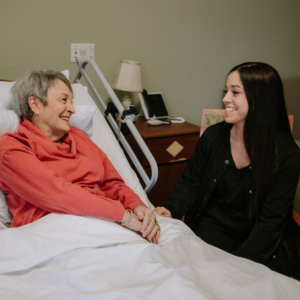

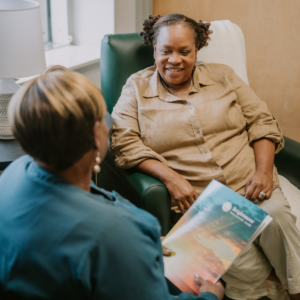


Brightmoor's story reaches back to 1965, when Brightmoor Nursing Center began serving the Griffin community. Over the decades, that foundation has grown beyond a single location and service into the Brightmoor organization families know today. While Brightmoor has grown, the focus remains personal: serving people as individuals, supporting their families, and providing care with dignity and respect at every stage.

Never has my mother had such great care! I am amazed at how this staff anticipated her needs.So happy Brightmoor was recommended to us by 3 other families who have had this same experience. Thank you Brightmoor!!!
I’ve had a truly positive experience with this nursing home, and I’m very grateful for the level of care provided. From the moment we arrived, the staff made us feel welcome and reassured during what can be a very emotional time. I would highly recommend this facility to anyone whose looking for their loved ones a place to call home.
Brightmoor Assisted living has a very caring staff and treated us like family. My dad didn’t want to leave his house but after literally 24 hours said he loved it there and don’t know why he couldn’t have gone earlier. Most of the times you don’t realize how much your parents need interaction with others you think leaning them at their house is best but it’s not.
Whether you’re planning ahead or facing a change in care needs, our team can help you understand your options and find the right place to begin.
Learn how different illnesses may affect care needs and when hospice support may be appropriate.
Hospice may be appropriate for individuals with a life-limiting illness and a life expectancy of six months or less if the illness follows its expected course. Eligibility is determined through a clinical evaluation.
Select a condition below to learn more.
As ALS progresses, breathing, swallowing, and moving may become more difficult. Hospice can help manage discomfort and support patients and families as care needs increase.
In the advanced stages of dementia, your loved one may need help with nearly every part of daily life. Difficulty communicating, trouble swallowing, weight loss, and repeated infections may be reasons to ask about hospice.
When cancer advances and treatment is no longer helping, or a person chooses to focus on comfort, hospice may offer an added layer of support. Care focuses on managing pain and other symptoms while supporting emotional and practical needs.
When breathing becomes difficult even while resting or doing simple activities, daily life can feel overwhelming. Hospice can help ease symptoms and provide reassurance for patients and caregivers.
Advanced heart disease can cause shortness of breath, swelling, weakness, and discomfort that make everyday activities harder. Hospice offers support when symptoms persist and care needs continue to grow.
For someone living with advanced HIV or AIDS, repeated infections, weight loss, and increasing weakness may lead to greater care needs. Hospice focuses on comfort and compassionate support for the person and those who care for them.
When kidney disease becomes advanced, patients and families may face difficult decisions about dialysis and ongoing care. Hospice may be an option for those who choose not to begin dialysis or decide to stop, depending on their overall health and needs.
Advanced liver disease may cause fluid buildup, confusion, discomfort, and repeated hospital stays. Hospice can help manage symptoms and support families as the illness progresses.
Conditions such as Parkinson’s disease, multiple sclerosis, or the lasting effects of a severe stroke can affect movement, communication, and swallowing. Hospice may be appropriate when these changes become severe and a person’s overall health continues to decline.
After a severe infection such as sepsis, a person already living with an advanced illness may struggle to recover. When health continues to decline, hospice may help provide comfort and support through the next stage of care.
Having one of these conditions does not automatically qualify someone for hospice. Eligibility is based on each person’s individual health and care needs.
Have questions about hospice eligibility? Our team is here to help you understand your options.
