- Serving our communities with compassionate care
Brightmoor Nursing Center offers personalized rehabilitation programs designed to help you regain strength, improve mobility, and work toward returning to the activities you enjoy.
Brightmoor Nursing Center offers personalized rehabilitation programs designed to help you regain strength, improve mobility, and work toward returning to the activities you enjoy.
Recovery looks different for everyone. Whether you’re rebuilding strength after surgery, recovering from a serious injury, or working through the effects of a complex medical condition, the right rehabilitation program can help you move forward.
At Brightmoor Nursing Center, therapy programs are tailored to individual needs and supported by an equipped rehabilitation gym designed to help patients through the recovery process.
Therapy focused on rebuilding strength and mobility as you work toward greater independence and everyday movement.
Support focused on the skills and movements used in everyday activities, helping you work toward greater independence in daily life.
Individualized therapy supporting communication and related skills as part of your rehabilitation program.
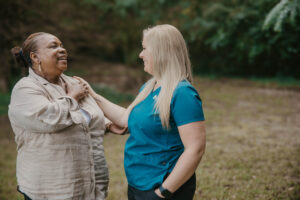
Rehabilitation isn't only about completing therapy sessions. It's about making progress toward the everyday activities that matter to you. Brightmoor's rehabilitation programs are designed to support better health and help patients work toward returning to their normal routines, with therapy tailored to their individual needs and recovery goals.
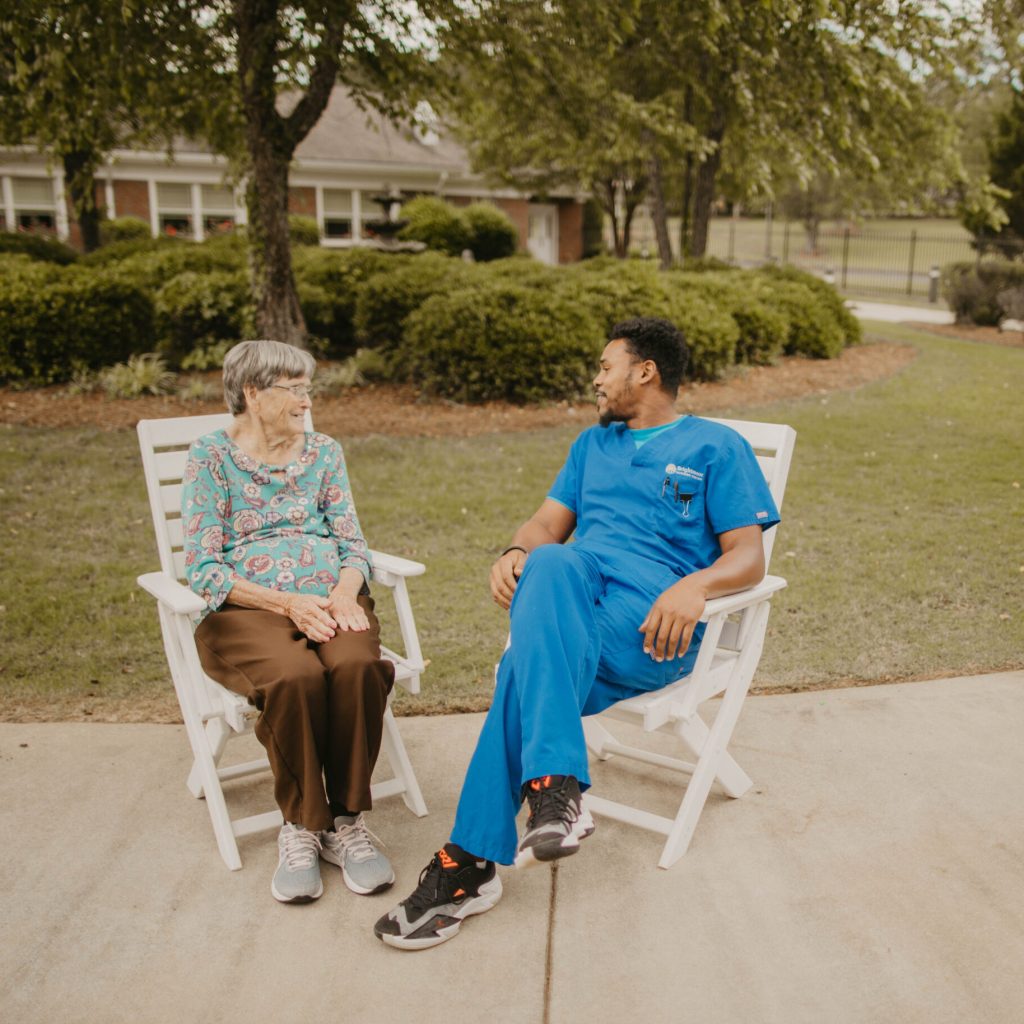
Ongoing nursing care and daily support for individuals who need continued assistance.

Around-the-clock skilled nursing support for individuals with ongoing or complex medical needs.
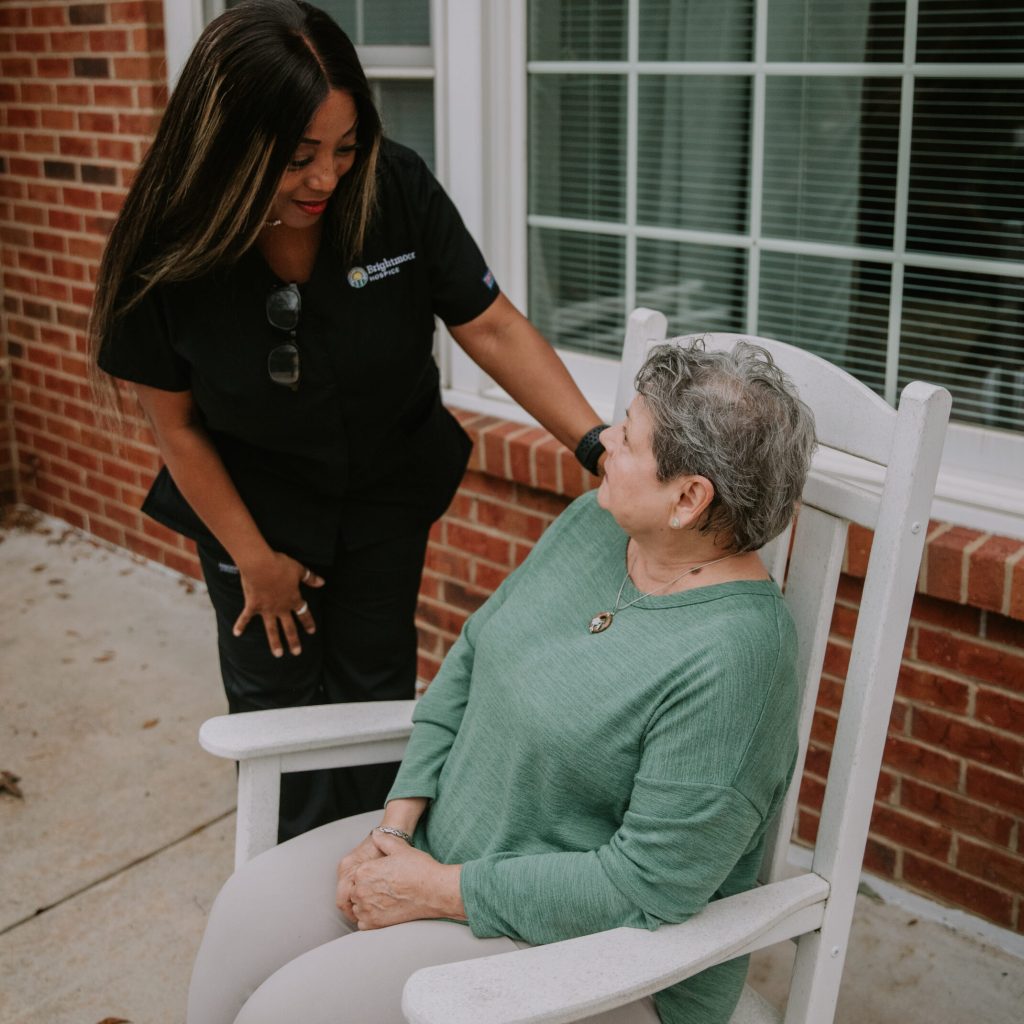
Explore the full range of nursing, rehabilitation, and support available at Brightmoor Nursing Center.
Amid a pandemic, Brightmoor continued to offer high-quality care to our mom during post-surgery rehab. Danela and Madison in admissions were helpful throughout mom’s stay. Mr. NYC in PT and Ms. Lucille in laundry services are so kind and offer exceptional concern and care for the patients.The activities staff members and the CNAs worked tirelessly and always showed compassion while providing the best of care. We are forever grateful for people and a place that offers great care when we can’t.
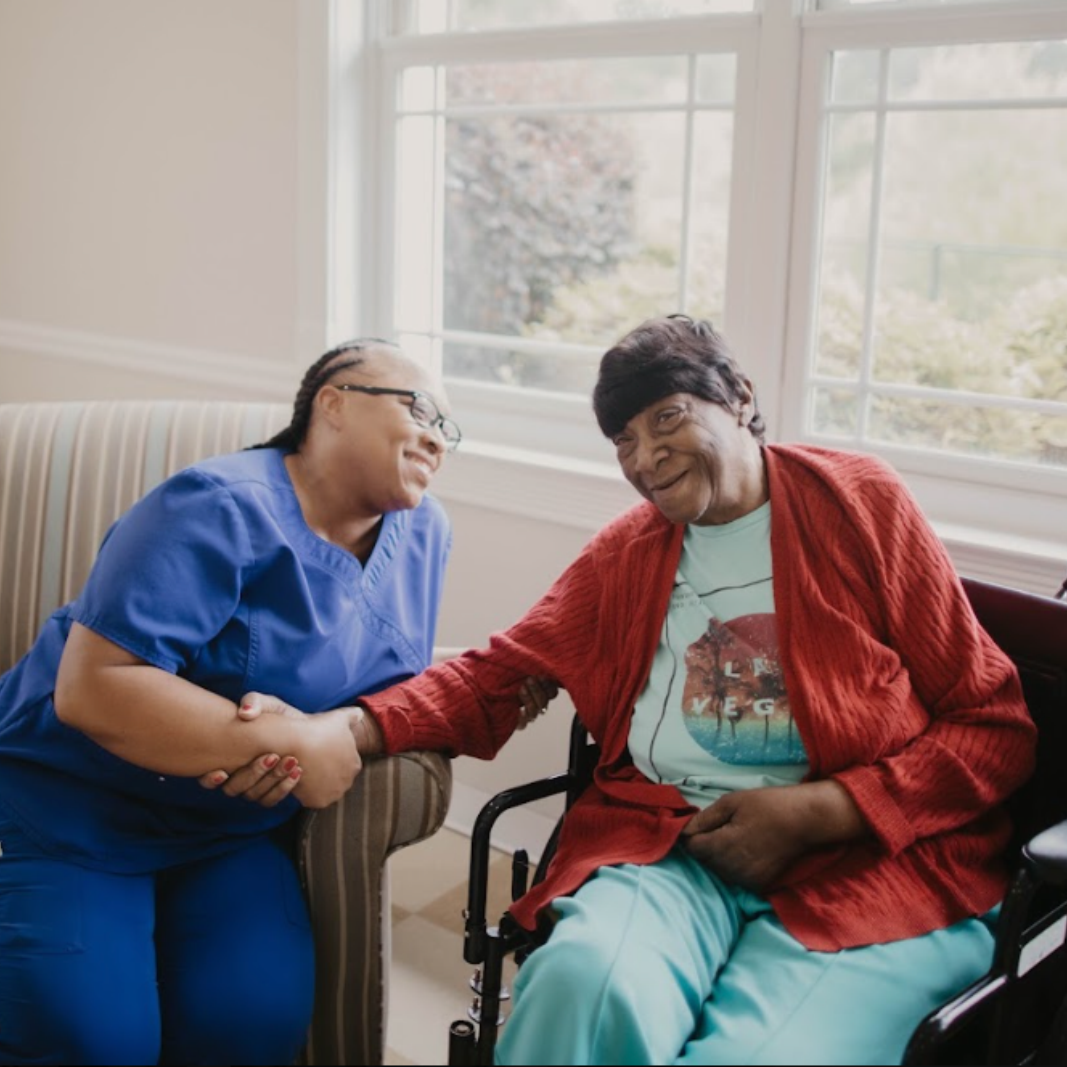
Brightmoor Nursing Center offers physical, occupational, and speech therapy programs tailored to individual rehabilitation needs.
Brightmoor’s rehabilitation services are designed to support people recovering from serious injuries, complex medical conditions, surgery, and other health events that affect strength, mobility, or everyday function.
Yes. Brightmoor Nursing Center has an equipped rehabilitation gym to support patients throughout their recovery.
Depending on your individual care plan, your stay may include a personalized therapy program, everyday activities, individual and group activities, meals with other residents, and planning with staff for your transition home.
Learn how different illnesses may affect care needs and when hospice support may be appropriate.
Hospice may be appropriate for individuals with a life-limiting illness and a life expectancy of six months or less if the illness follows its expected course. Eligibility is determined through a clinical evaluation.
Select a condition below to learn more.
As ALS progresses, breathing, swallowing, and moving may become more difficult. Hospice can help manage discomfort and support patients and families as care needs increase.
In the advanced stages of dementia, your loved one may need help with nearly every part of daily life. Difficulty communicating, trouble swallowing, weight loss, and repeated infections may be reasons to ask about hospice.
When cancer advances and treatment is no longer helping, or a person chooses to focus on comfort, hospice may offer an added layer of support. Care focuses on managing pain and other symptoms while supporting emotional and practical needs.
When breathing becomes difficult even while resting or doing simple activities, daily life can feel overwhelming. Hospice can help ease symptoms and provide reassurance for patients and caregivers.
Advanced heart disease can cause shortness of breath, swelling, weakness, and discomfort that make everyday activities harder. Hospice offers support when symptoms persist and care needs continue to grow.
For someone living with advanced HIV or AIDS, repeated infections, weight loss, and increasing weakness may lead to greater care needs. Hospice focuses on comfort and compassionate support for the person and those who care for them.
When kidney disease becomes advanced, patients and families may face difficult decisions about dialysis and ongoing care. Hospice may be an option for those who choose not to begin dialysis or decide to stop, depending on their overall health and needs.
Advanced liver disease may cause fluid buildup, confusion, discomfort, and repeated hospital stays. Hospice can help manage symptoms and support families as the illness progresses.
Conditions such as Parkinson’s disease, multiple sclerosis, or the lasting effects of a severe stroke can affect movement, communication, and swallowing. Hospice may be appropriate when these changes become severe and a person’s overall health continues to decline.
After a severe infection such as sepsis, a person already living with an advanced illness may struggle to recover. When health continues to decline, hospice may help provide comfort and support through the next stage of care.
Having one of these conditions does not automatically qualify someone for hospice. Eligibility is based on each person’s individual health and care needs.
Have questions about hospice eligibility? Our team is here to help you understand your options.