- Serving our communities with compassionate care
From inviting common areas to engaging activities and personal services, Brightmoor Nursing Center offers amenities designed to make each day more comfortable and enjoyable.
From inviting common areas to engaging activities and personal services, Brightmoor Nursing Center offers amenities designed to make each day more comfortable and enjoyable.
At Brightmoor Nursing Center, daily life extends beyond nursing and rehabilitation services. Residents have opportunities to maintain familiar routines, spend time with others, and enjoy their surroundings.
Our accommodations, amenities, and activities help support a comfortable and engaging experience, whether someone is here for a short rehabilitation stay or long-term care.
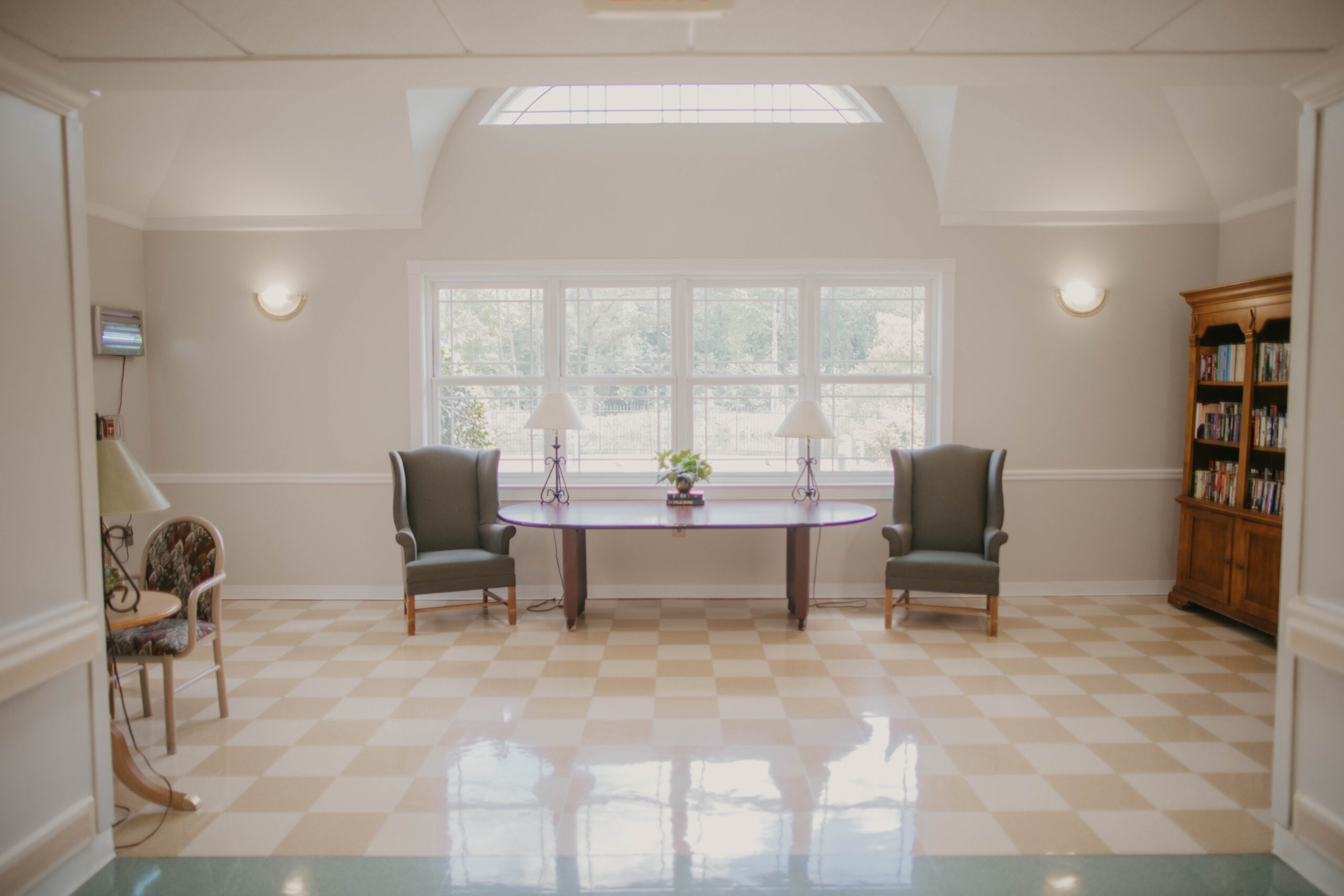
On-site and off-site activities, resident council participation, and welcoming gathering spaces create opportunities for connection and engagement.
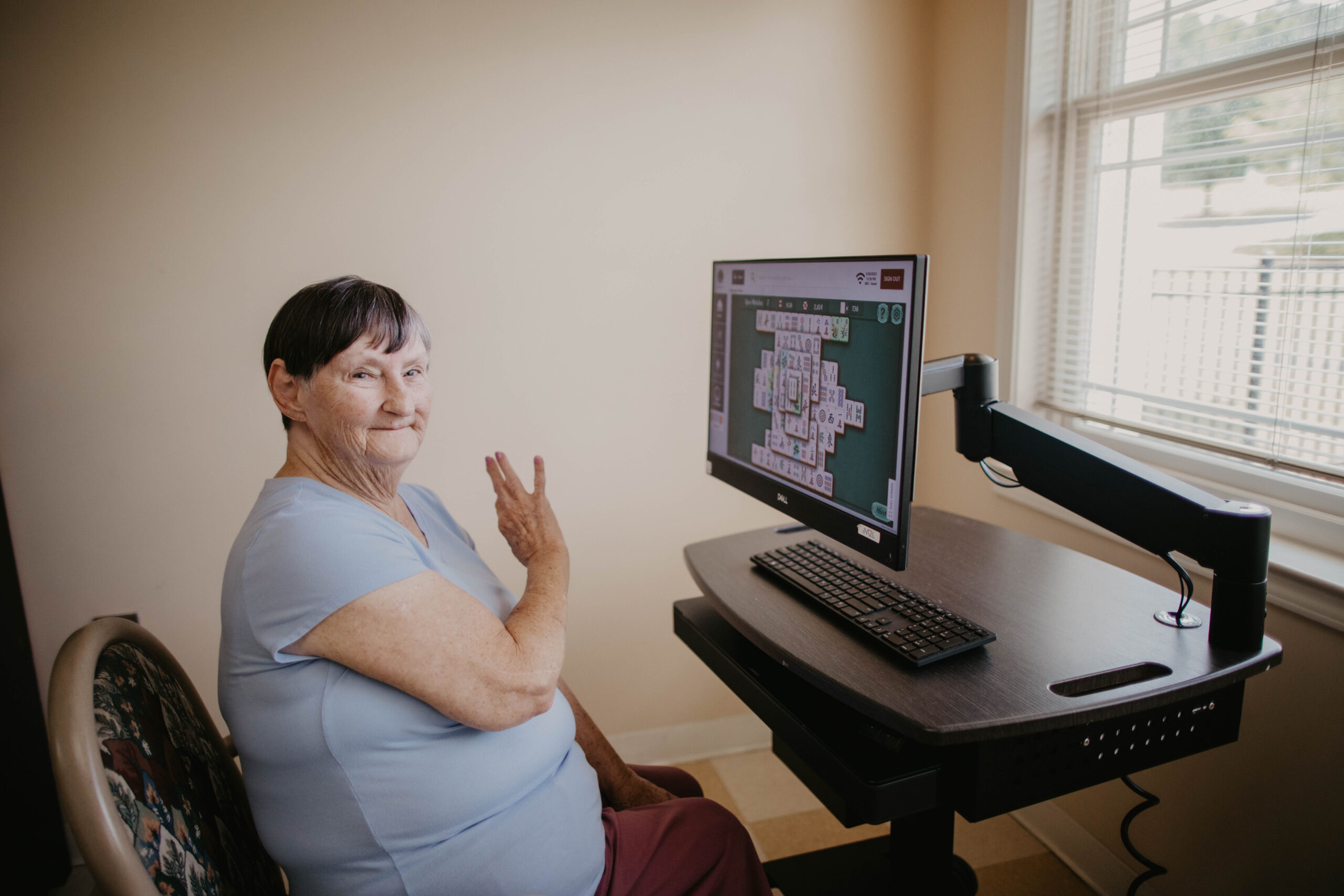
Residents have access to a beauty salon and barbershop, Wi-Fi, cable television, housekeeping, and personal laundry services.
Meals with preference options, outdoor patios, landscaped grounds, and a pavilion offer places to gather, relax, and enjoy the surroundings.
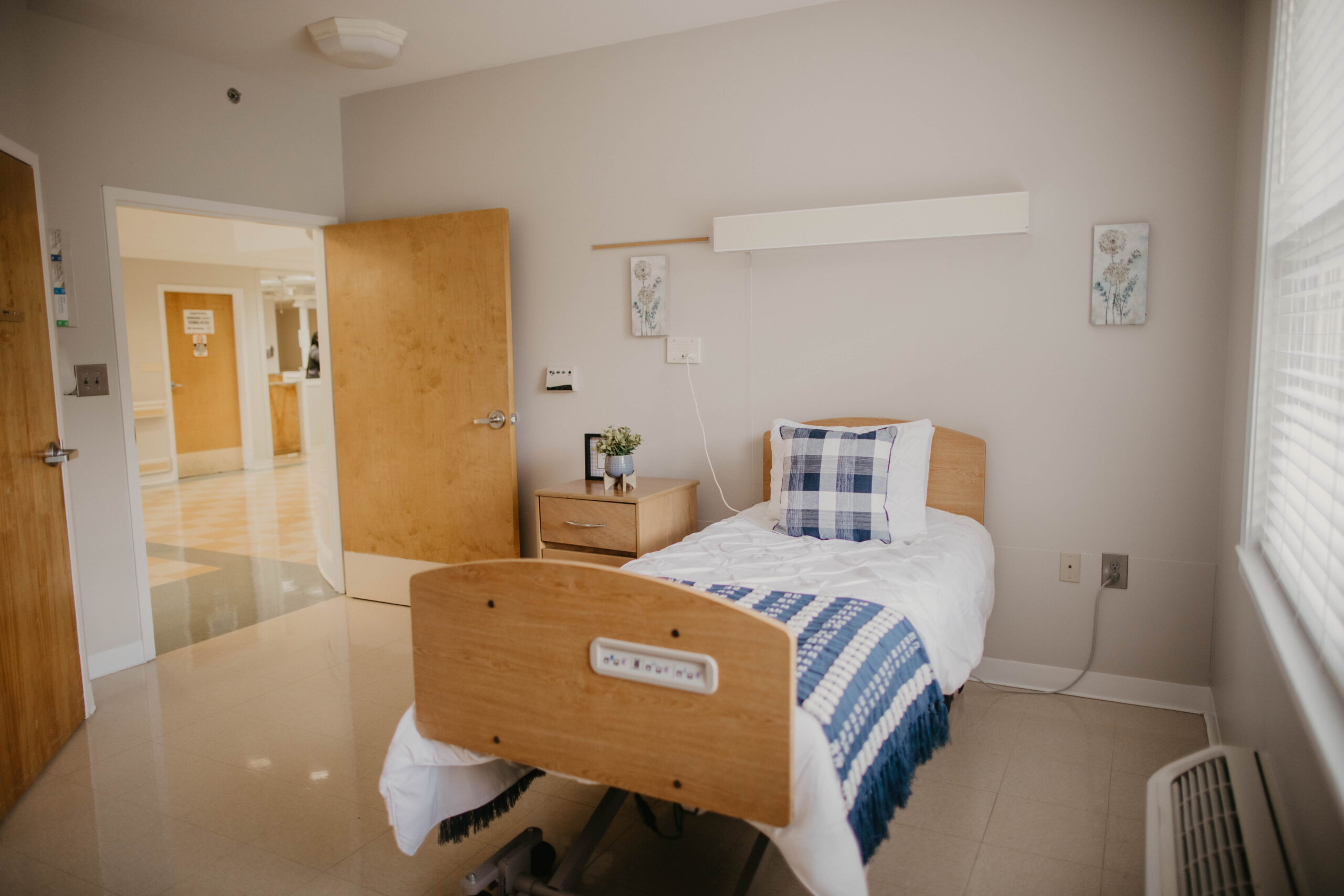
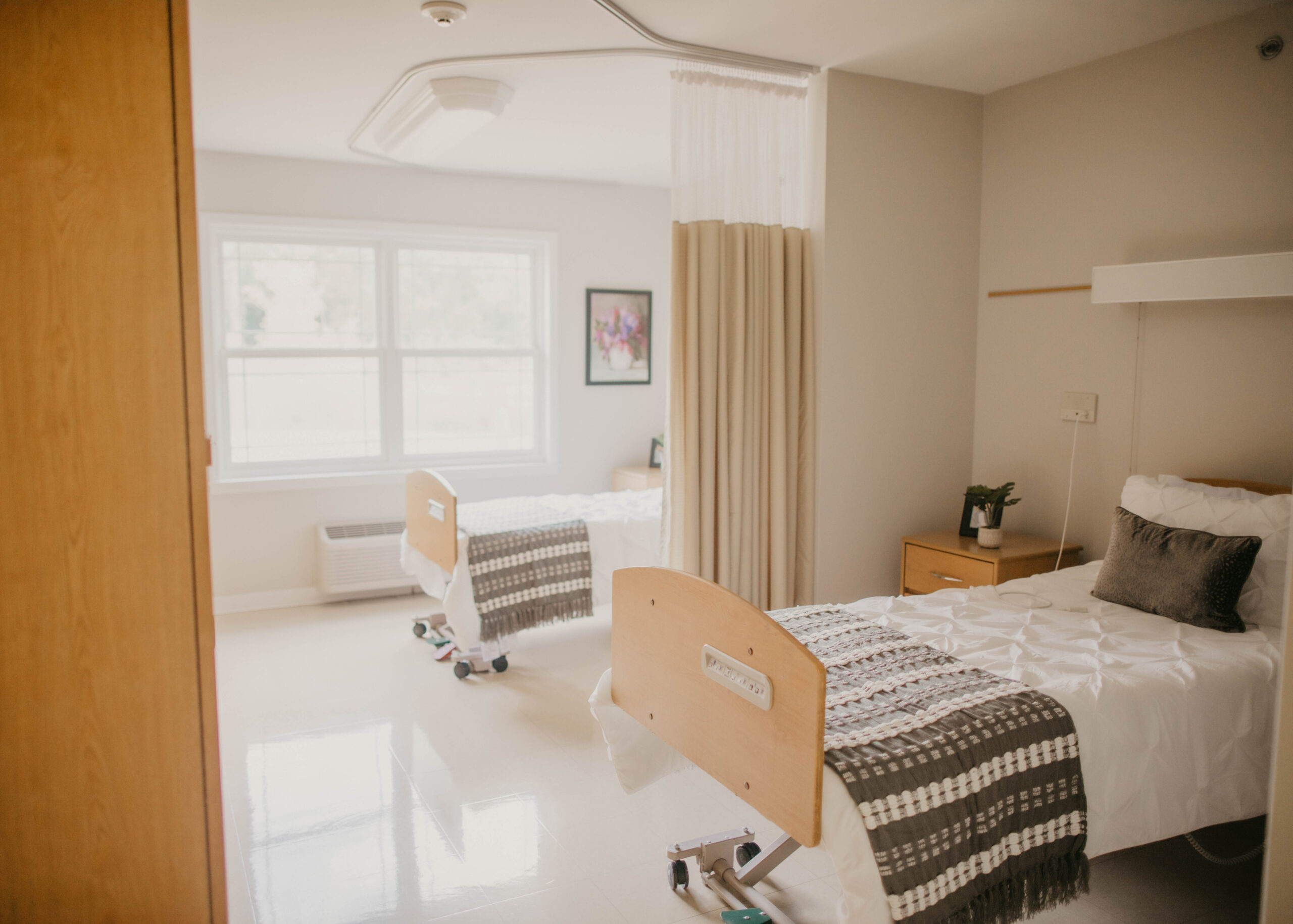
Brightmoor Nursing Center offers private and semi-private accommodations for residents receiving rehabilitation or long-term nursing care.
Explore our rooms and shared spaces, including the everyday features and services available throughout the facility.
Photos can only tell part of the story. Visit Brightmoor Nursing Center in Griffin to explore our accommodations, see the amenities firsthand, and get answers to your questions.
Brightmoor Nursing Center
3235 Newnan Road
Griffin, GA 30223
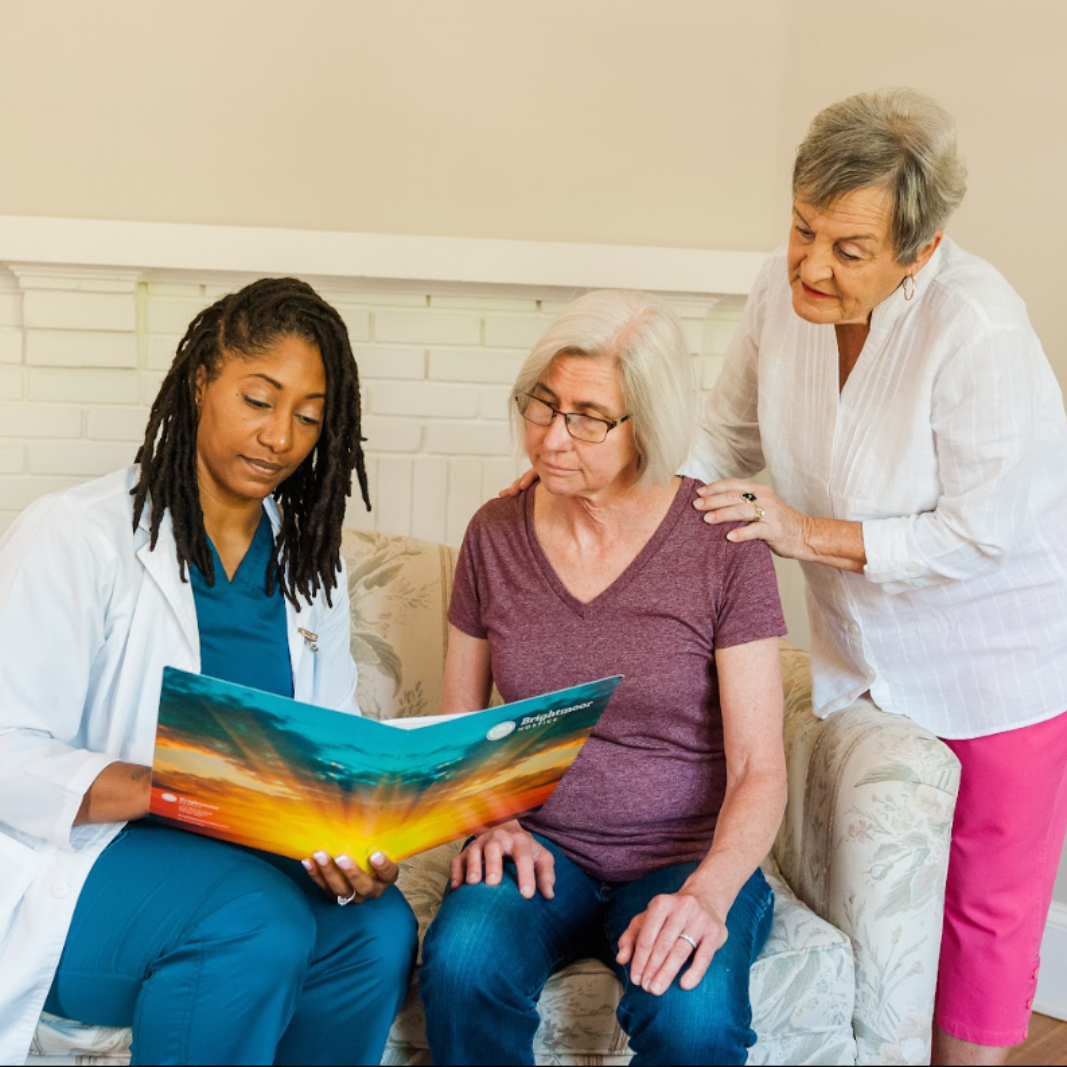
Brightmoor Nursing Center offers recreational and social activities, dining services, Wi-Fi, cable television, housekeeping, personal laundry services, outdoor spaces, and an on-site beauty salon and barbershop.
Brightmoor Nursing Center has private and semi-private room accommodations. Contact our team to learn more about room options and current availability.
Yes. Brightmoor offers recreational and social activities both on-site and off-site. Residents can also participate in resident council activities and provide input on meal and activity planning.
Yes. Residents and visitors can enjoy outdoor patios, landscaped grounds, and a pavilion.
The Nursing Center has a chapel with stained glass and offers religious services. Contact our team for information about current services and schedules.
Yes. Contact Brightmoor Nursing Center to ask about scheduling a tour and seeing the accommodations, amenities, and shared spaces.
Learn how different illnesses may affect care needs and when hospice support may be appropriate.
Hospice may be appropriate for individuals with a life-limiting illness and a life expectancy of six months or less if the illness follows its expected course. Eligibility is determined through a clinical evaluation.
Select a condition below to learn more.
As ALS progresses, breathing, swallowing, and moving may become more difficult. Hospice can help manage discomfort and support patients and families as care needs increase.
In the advanced stages of dementia, your loved one may need help with nearly every part of daily life. Difficulty communicating, trouble swallowing, weight loss, and repeated infections may be reasons to ask about hospice.
When cancer advances and treatment is no longer helping, or a person chooses to focus on comfort, hospice may offer an added layer of support. Care focuses on managing pain and other symptoms while supporting emotional and practical needs.
When breathing becomes difficult even while resting or doing simple activities, daily life can feel overwhelming. Hospice can help ease symptoms and provide reassurance for patients and caregivers.
Advanced heart disease can cause shortness of breath, swelling, weakness, and discomfort that make everyday activities harder. Hospice offers support when symptoms persist and care needs continue to grow.
For someone living with advanced HIV or AIDS, repeated infections, weight loss, and increasing weakness may lead to greater care needs. Hospice focuses on comfort and compassionate support for the person and those who care for them.
When kidney disease becomes advanced, patients and families may face difficult decisions about dialysis and ongoing care. Hospice may be an option for those who choose not to begin dialysis or decide to stop, depending on their overall health and needs.
Advanced liver disease may cause fluid buildup, confusion, discomfort, and repeated hospital stays. Hospice can help manage symptoms and support families as the illness progresses.
Conditions such as Parkinson’s disease, multiple sclerosis, or the lasting effects of a severe stroke can affect movement, communication, and swallowing. Hospice may be appropriate when these changes become severe and a person’s overall health continues to decline.
After a severe infection such as sepsis, a person already living with an advanced illness may struggle to recover. When health continues to decline, hospice may help provide comfort and support through the next stage of care.
Having one of these conditions does not automatically qualify someone for hospice. Eligibility is based on each person’s individual health and care needs.
Have questions about hospice eligibility? Our team is here to help you understand your options.