- Serving our communities with compassionate care
Brightmoor brings hospice care to the place you call home, providing comfort-focused care, symptom management, and support for patients and families throughout the hospice journey.
Brightmoor brings hospice care to the place you call home, providing comfort-focused care, symptom management, and support for patients and families throughout the hospice journey.
For many people, home is where they feel most comfortable. In-home hospice allows patients to receive hospice care in familiar surroundings while remaining close to the people and routines that matter to them.
Brightmoor’s hospice team works with each patient and family to create an individualized plan of care, manage symptoms, answer questions, and provide ongoing support at home.
Hospice nurses provide medication and symptom management, patient and caregiver education, regular visits, and 24/7 on-call support when needs arise between scheduled visits.
Certified hospice aides provide assistance with bathing, grooming, dressing, skin care, and oral hygiene based on the patient’s individualized plan of care.
Social workers, chaplains, trained volunteers, and bereavement professionals provide additional support for patients, caregivers, and families.
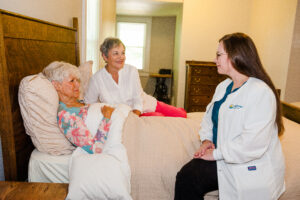
In-home hospice is designed to support both the patient and the people caring for them. At admission, a Brightmoor nurse visits the home to learn about the patient’s needs, answer questions, and help determine what medications, equipment, and supplies may be needed. From there, the hospice team provides regular support and education, with on-call nurses available 24/7 when needs or concerns arise between scheduled visits.
Brightmoor Hospice provides in-home hospice care across 27 counties in Central and Metro Georgia, bringing comfort, guidance, and personalized support to patients and families in their own homes.
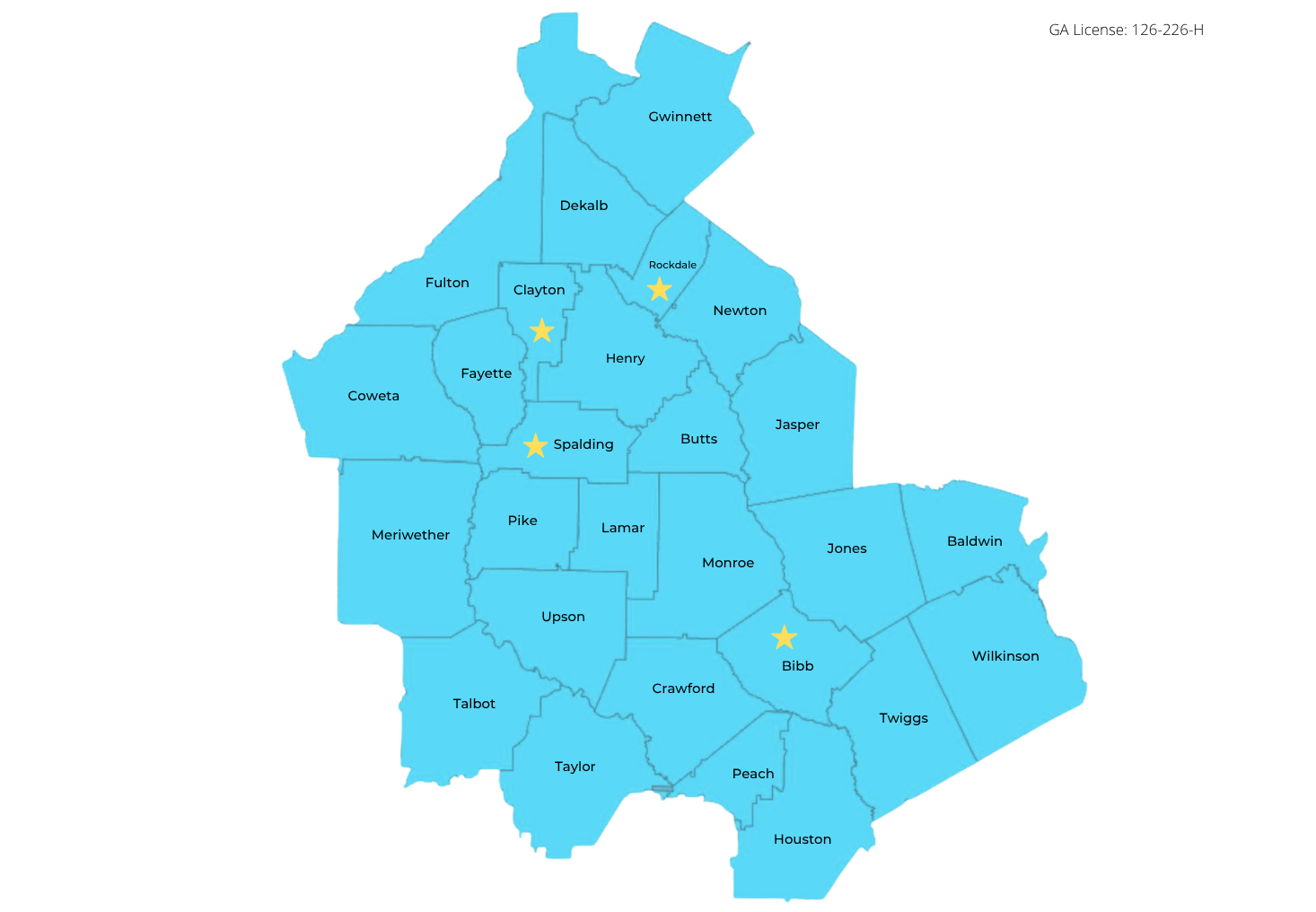
Contact Brightmoor Hospice to confirm service availability in your area.

Around-the-clock hospice care in a Brightmoor care center for patients who need intensive symptom management.
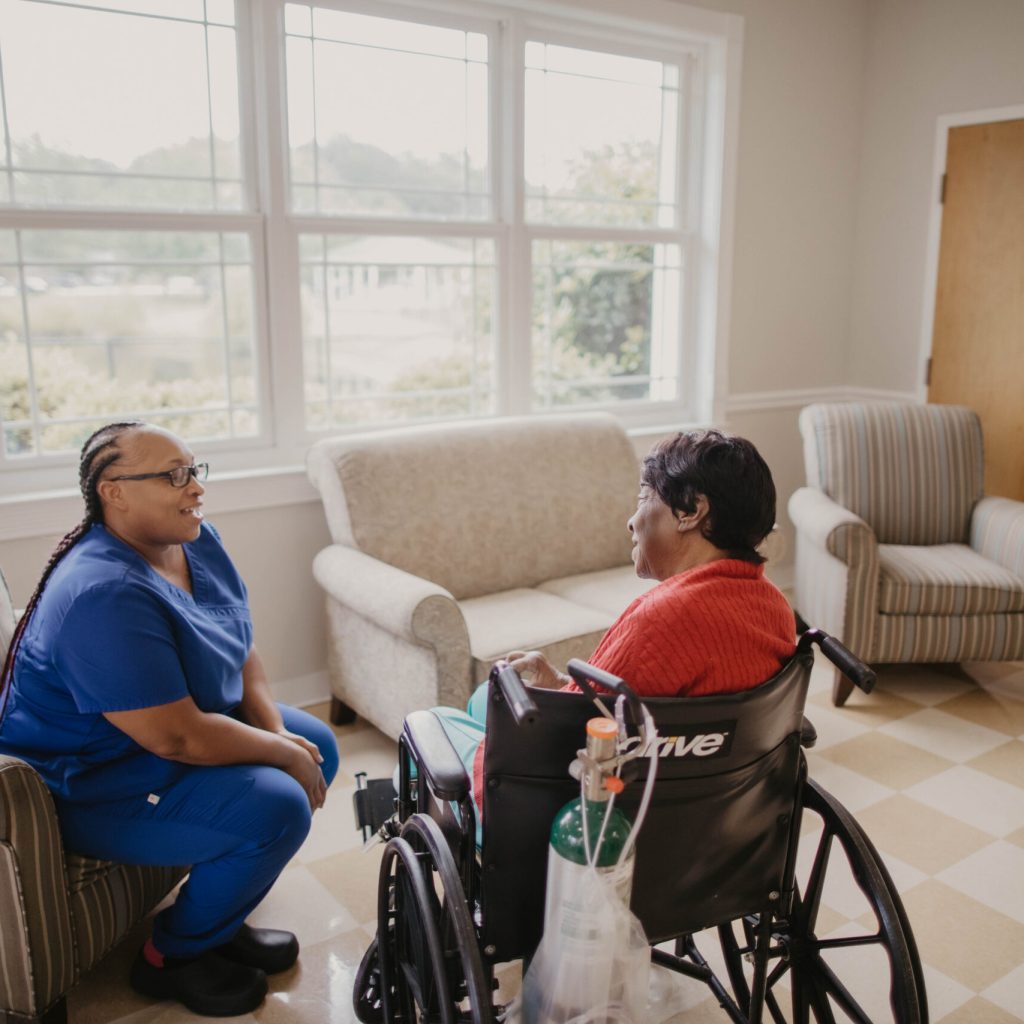
Hospice support provided where a patient already lives, working alongside the assisted living community and care team.
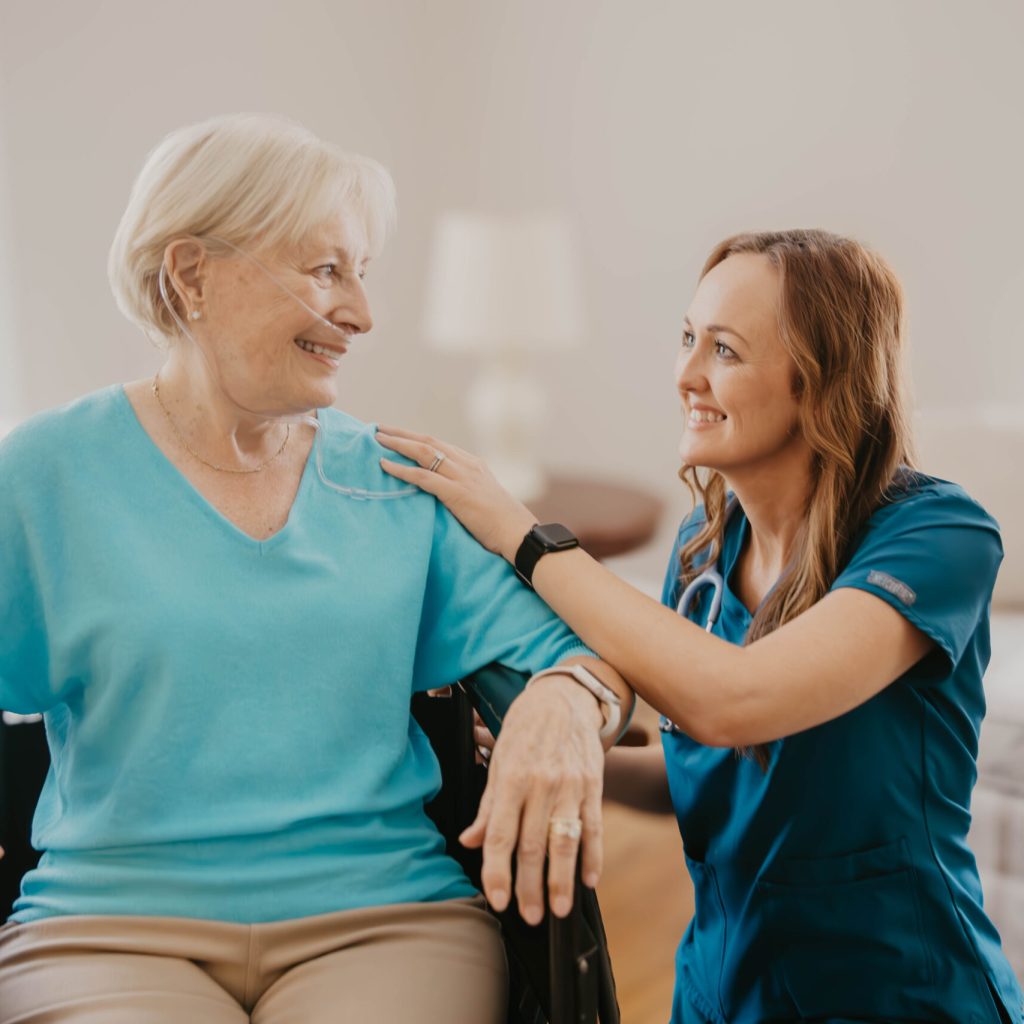
Hospice care and additional support for patients, families, and caregivers within a nursing home setting.

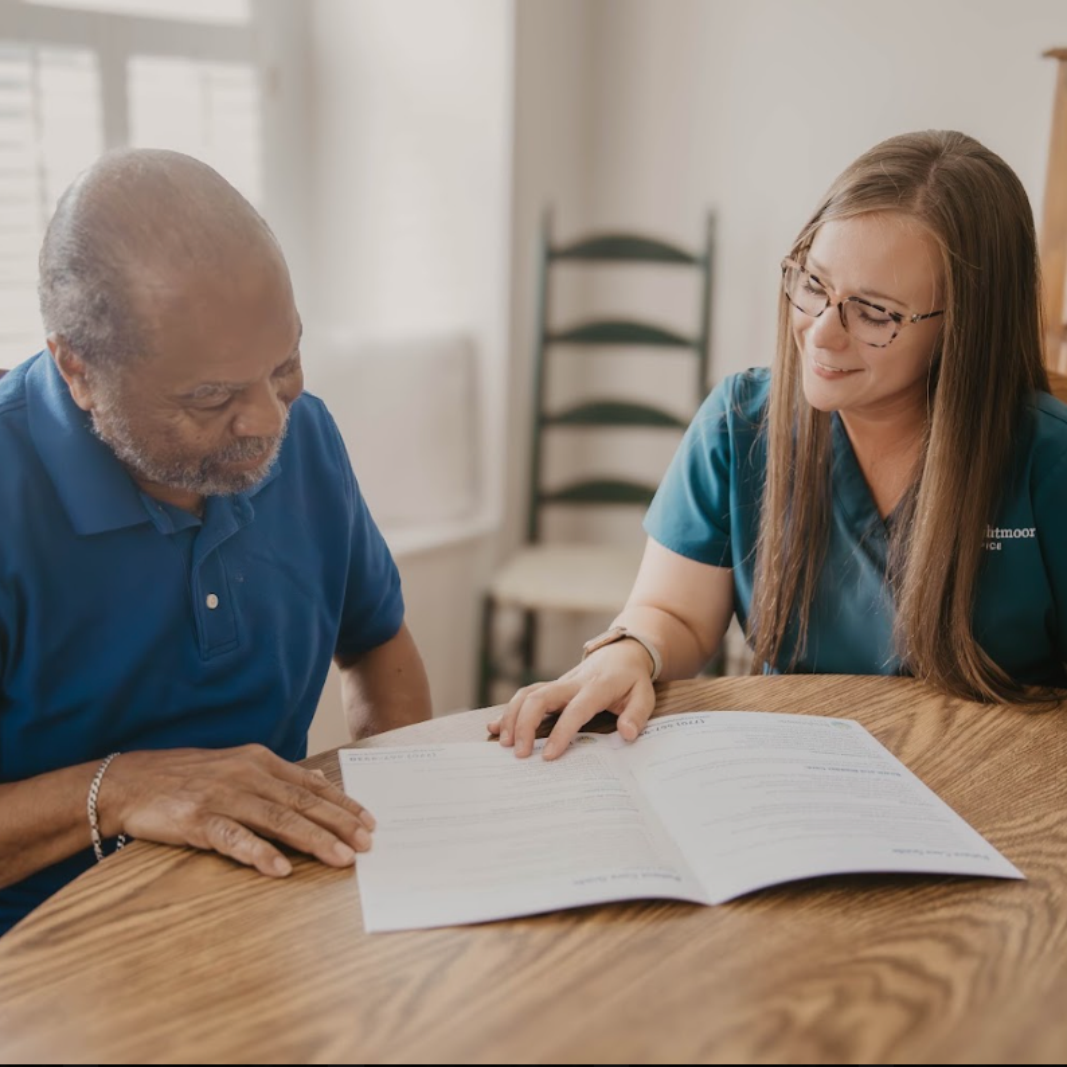
At admission, a Brightmoor nurse visits the home to learn about the patient and their needs, answer questions, provide medication and symptom management, and determine what equipment and supplies may be needed.
Brightmoor provides regular nursing visits to check on the patient, family, and caregivers. The frequency of care is based on the patient’s individual needs and plan of care.
Between scheduled visits, Brightmoor Hospice patients and families have access to nursing support 24 hours a day, 7 days a week. When you call, you’re connected with a nurse, not an answering service, so you can receive guidance, ask questions, and get help with concerns whenever they arise.
Yes. Certified hospice aides can assist with bathing, grooming, dressing, skin care, and oral hygiene based on the patient’s individualized plan of care.
Brightmoor’s hospice team includes social workers, chaplains, trained volunteers, and bereavement professionals who provide emotional, practical, spiritual, and grief support for patients and families.
Learn how different illnesses may affect care needs and when hospice support may be appropriate.
Hospice may be appropriate for individuals with a life-limiting illness and a life expectancy of six months or less if the illness follows its expected course. Eligibility is determined through a clinical evaluation.
Select a condition below to learn more.
As ALS progresses, breathing, swallowing, and moving may become more difficult. Hospice can help manage discomfort and support patients and families as care needs increase.
In the advanced stages of dementia, your loved one may need help with nearly every part of daily life. Difficulty communicating, trouble swallowing, weight loss, and repeated infections may be reasons to ask about hospice.
When cancer advances and treatment is no longer helping, or a person chooses to focus on comfort, hospice may offer an added layer of support. Care focuses on managing pain and other symptoms while supporting emotional and practical needs.
When breathing becomes difficult even while resting or doing simple activities, daily life can feel overwhelming. Hospice can help ease symptoms and provide reassurance for patients and caregivers.
Advanced heart disease can cause shortness of breath, swelling, weakness, and discomfort that make everyday activities harder. Hospice offers support when symptoms persist and care needs continue to grow.
For someone living with advanced HIV or AIDS, repeated infections, weight loss, and increasing weakness may lead to greater care needs. Hospice focuses on comfort and compassionate support for the person and those who care for them.
When kidney disease becomes advanced, patients and families may face difficult decisions about dialysis and ongoing care. Hospice may be an option for those who choose not to begin dialysis or decide to stop, depending on their overall health and needs.
Advanced liver disease may cause fluid buildup, confusion, discomfort, and repeated hospital stays. Hospice can help manage symptoms and support families as the illness progresses.
Conditions such as Parkinson’s disease, multiple sclerosis, or the lasting effects of a severe stroke can affect movement, communication, and swallowing. Hospice may be appropriate when these changes become severe and a person’s overall health continues to decline.
After a severe infection such as sepsis, a person already living with an advanced illness may struggle to recover. When health continues to decline, hospice may help provide comfort and support through the next stage of care.
Having one of these conditions does not automatically qualify someone for hospice. Eligibility is based on each person’s individual health and care needs.
Have questions about hospice eligibility? Our team is here to help you understand your options.
