- Serving our communities with compassionate care
Brightmoor Hospice provides comfort-focused care for people living with life-limiting illness, along with guidance and support for the families and caregivers beside them.
Hospice shifts the focus from curing an illness to helping each person live as comfortably and meaningfully as possible.
Brightmoor takes a team approach to care, supporting physical, emotional, social, and spiritual needs while also providing practical support for caregivers and grief support for families.


Hospice care isn't only for the final days of life. Starting care earlier gives patients and families more time to benefit from the support hospice provides. With more time to understand each person's needs, preferences, and goals, the hospice team can develop an individualized plan focused on comfort, symptom management, and quality of life.
More Time for Comfort – Earlier support allows the care team to identify and address pain, symptoms, and changing needs.
Personalized Care – More time to understand what matters most to each patient and tailor care around their goals.
Support for Families – Emotional, spiritual, and practical support helps families navigate decisions and changing care needs.
Fewer Disruptions – Proactive care planning may help reduce avoidable hospital visits and unnecessary transitions.
Hospice care brings together professionals with different areas of expertise. At Brightmoor, our team works alongside the patient's existing care team to address each patient's physical, emotional, and spiritual needs while providing guidance and support to families.

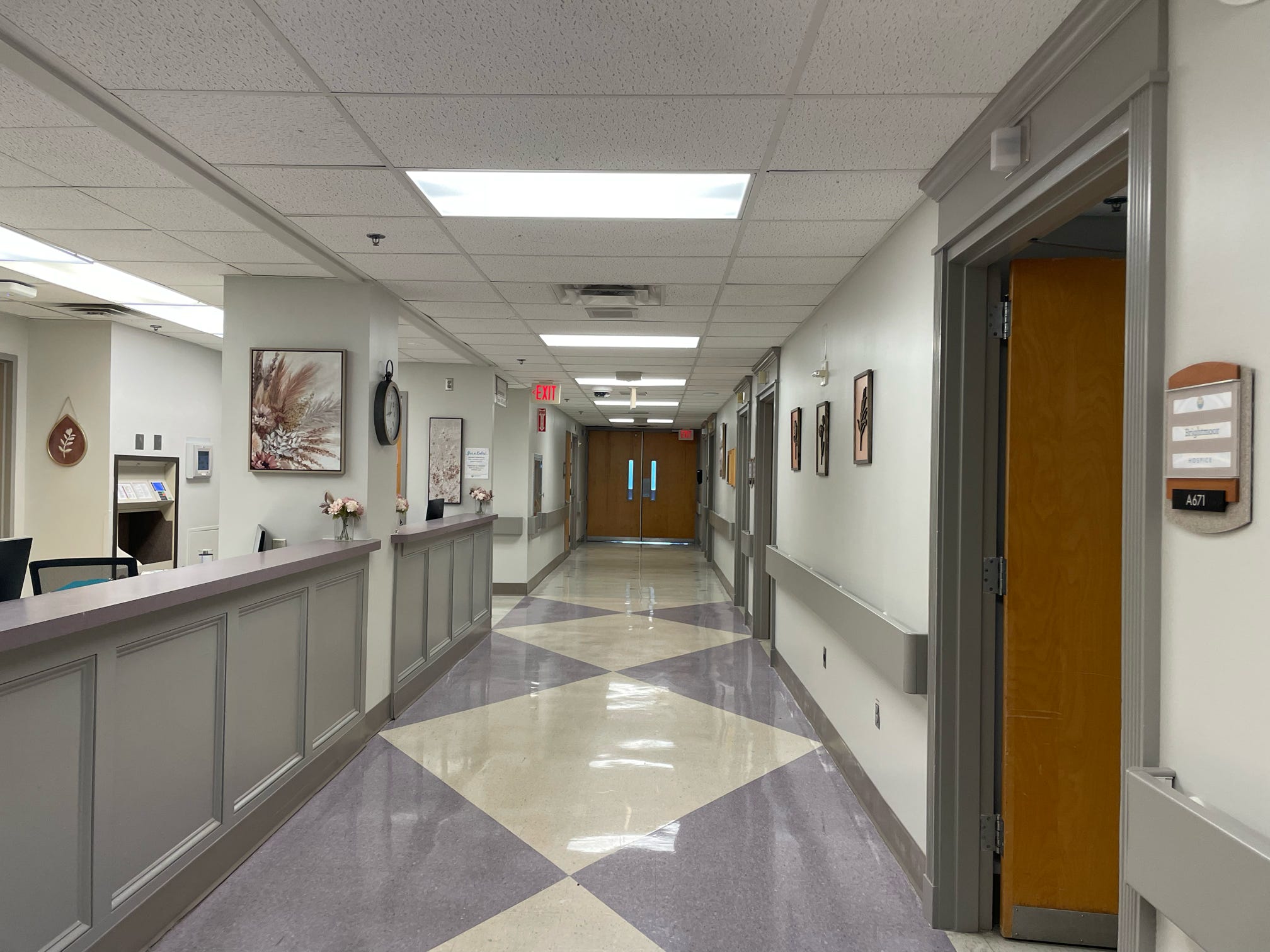
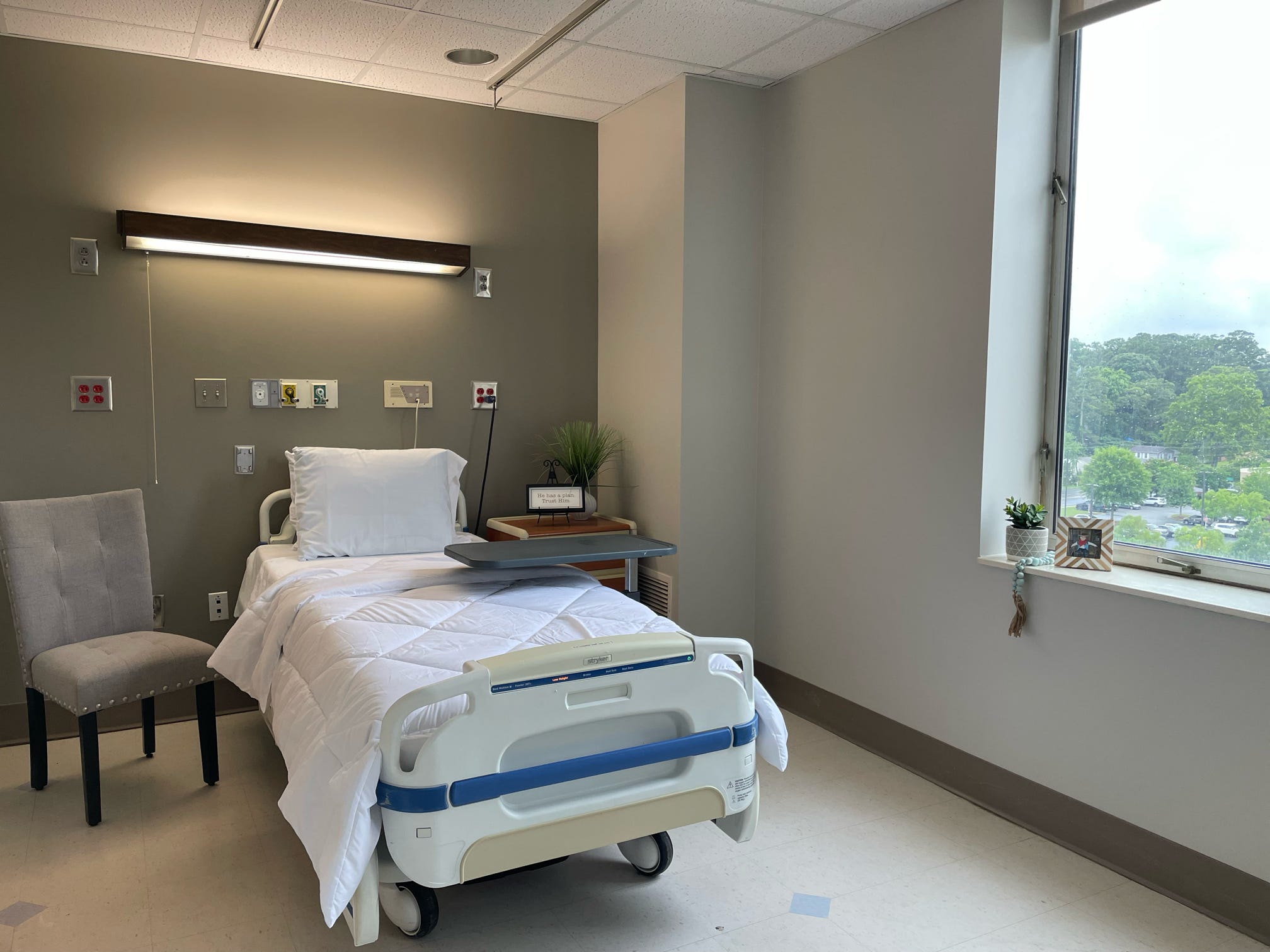
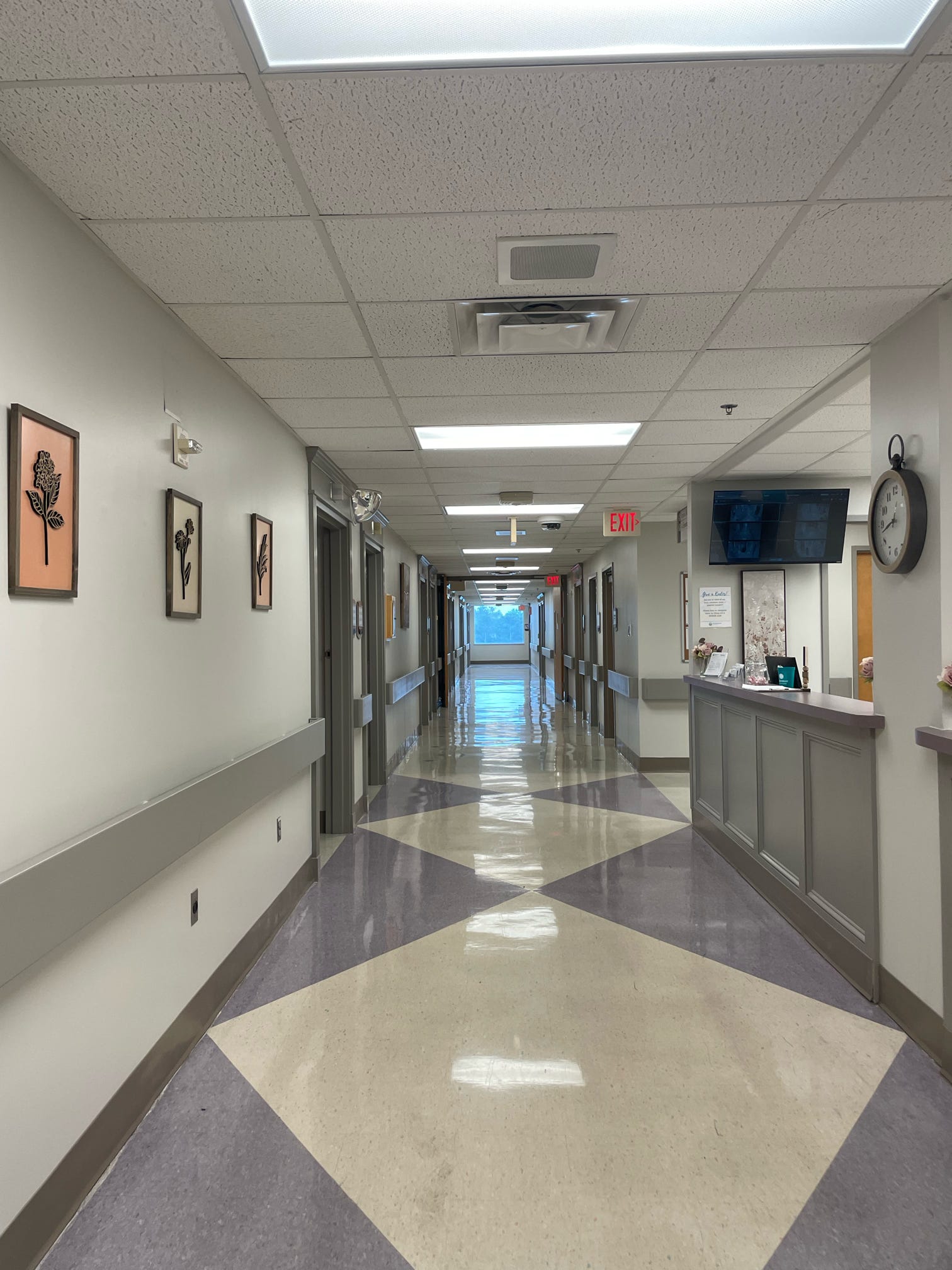
When symptoms require a higher level of care, Brightmoor provides General Inpatient hospice care at dedicated care centers across Georgia.
Hospice brings together medical care, personal support, and resources for both patients and the people caring for them.
Hospice care is about more than managing symptoms. Brightmoor brings together a team of professionals and services to support the whole person while helping families navigate the experience alongside them.
Care is individualized around each patient’s needs, comfort, dignity, and quality of life.

Our commitment to care extends beyond the patients and families we support. Brightmoor Hospice values opportunities to connect with our communities, build relationships, and take part in local events and initiatives. Follow us on Facebook to see what our team has been up to and how we're staying involved.
Hospice may be appropriate when someone is living with an advanced illness or multiple serious health conditions and the focus of care is shifting toward comfort and quality of life.
Increasing pain, difficulty breathing, weight loss, weakness, or frequent hospital visits may signal that additional comfort-focused support could help.
When a loved one needs increasing help with bathing, dressing, eating, or other daily activities, hospice can provide additional support for patients and caregivers.
These changes do not automatically mean someone qualifies for hospice. Our team can help arrange an evaluation and determine whether hospice care may be appropriate.
I’ve never left a review before, but this company was absolutely amazing. They took care of my mother with kindness and care until her passing. The head nurse would take care of any of our requests. I would rate the company A+!
During an incredibly difficult time with the eminent passing of my mother, you guys were phenomenal. Everyone of you that dealt with me and my family and my mama were spot on and top-notch in your respect and confidentiality. I couldn't have asked for a better experience during a situation I wish I didn't have to endure! Thank you so much, and please remember, no matter how hard the day, even the little things that you do matter so much to the families! Thank you for being incredible.
Our family was so grateful that The Brightmoor Hospice was recommended to us by Piedmont Newnan Hospital when it was clear that our 93 year old mother neared the end of her like. Their staff was compassionate and gentle as they guided us through this difficult and unfamiliar time. We were in their hospice facility in Griffin only three days before Mom passed but that was enough for us to know that we would recommend Brightmoor without reservation as navigator through the dying process.

Hospice is a team approach to care focused on comfort and quality of life for people with life-limiting illness. Care can address physical, emotional, social, and spiritual needs while also supporting caregivers and families.
Hospice is not a specific place. Brightmoor provides hospice at home, in nursing homes and assisted living communities, and at Brightmoor inpatient hospice centers.
Hospice services may include nursing care, personal care assistance, medications and medical equipment related to the hospice diagnosis, social work, chaplain and volunteer services, respite care, and inpatient care for symptom management.
Anyone can contact Brightmoor to ask about hospice. A physician’s order is required, and Brightmoor’s admission team evaluates the patient and works with the family to develop an individualized plan of care.
Hospice care is covered by many insurance plans, including Medicare and Medicaid. Coverage can vary, so specific benefits should be confirmed for each patient.
Brightmoor Hospice provides specialized support for veterans and their families through veteran-trained staff and volunteers, recognition programs, and assistance connecting families with veteran resources and benefits.
We work with physicians, hospitals, nursing facilities, and other healthcare professionals to help patients and families access hospice services. Our team is available to discuss eligibility, answer referral questions, and coordinate next steps.
Whether you’re exploring hospice for yourself or someone you love, our team is here to answer your questions and help you understand what comes next.
Learn how different illnesses may affect care needs and when hospice support may be appropriate.
Hospice may be appropriate for individuals with a life-limiting illness and a life expectancy of six months or less if the illness follows its expected course. Eligibility is determined through a clinical evaluation.
Select a condition below to learn more.
As ALS progresses, breathing, swallowing, and moving may become more difficult. Hospice can help manage discomfort and support patients and families as care needs increase.
In the advanced stages of dementia, your loved one may need help with nearly every part of daily life. Difficulty communicating, trouble swallowing, weight loss, and repeated infections may be reasons to ask about hospice.
When cancer advances and treatment is no longer helping, or a person chooses to focus on comfort, hospice may offer an added layer of support. Care focuses on managing pain and other symptoms while supporting emotional and practical needs.
When breathing becomes difficult even while resting or doing simple activities, daily life can feel overwhelming. Hospice can help ease symptoms and provide reassurance for patients and caregivers.
Advanced heart disease can cause shortness of breath, swelling, weakness, and discomfort that make everyday activities harder. Hospice offers support when symptoms persist and care needs continue to grow.
For someone living with advanced HIV or AIDS, repeated infections, weight loss, and increasing weakness may lead to greater care needs. Hospice focuses on comfort and compassionate support for the person and those who care for them.
When kidney disease becomes advanced, patients and families may face difficult decisions about dialysis and ongoing care. Hospice may be an option for those who choose not to begin dialysis or decide to stop, depending on their overall health and needs.
Advanced liver disease may cause fluid buildup, confusion, discomfort, and repeated hospital stays. Hospice can help manage symptoms and support families as the illness progresses.
Conditions such as Parkinson’s disease, multiple sclerosis, or the lasting effects of a severe stroke can affect movement, communication, and swallowing. Hospice may be appropriate when these changes become severe and a person’s overall health continues to decline.
After a severe infection such as sepsis, a person already living with an advanced illness may struggle to recover. When health continues to decline, hospice may help provide comfort and support through the next stage of care.
Having one of these conditions does not automatically qualify someone for hospice. Eligibility is based on each person’s individual health and care needs.
Have questions about hospice eligibility? Our team is here to help you understand your options.